Pain Management Techniques: Acupuncture and More
- Stephanie Nguyen
- Nov 25, 2025
- 4 min read

Pain can be a debilitating experience, affecting every aspect of life. Whether it’s chronic pain from conditions like arthritis or acute pain from an injury, finding effective pain management techniques is crucial. Among various options available, acupuncture stands out as a popular alternative therapy. This blog post will explore acupuncture and other pain management techniques, providing insights into their effectiveness and practical applications.
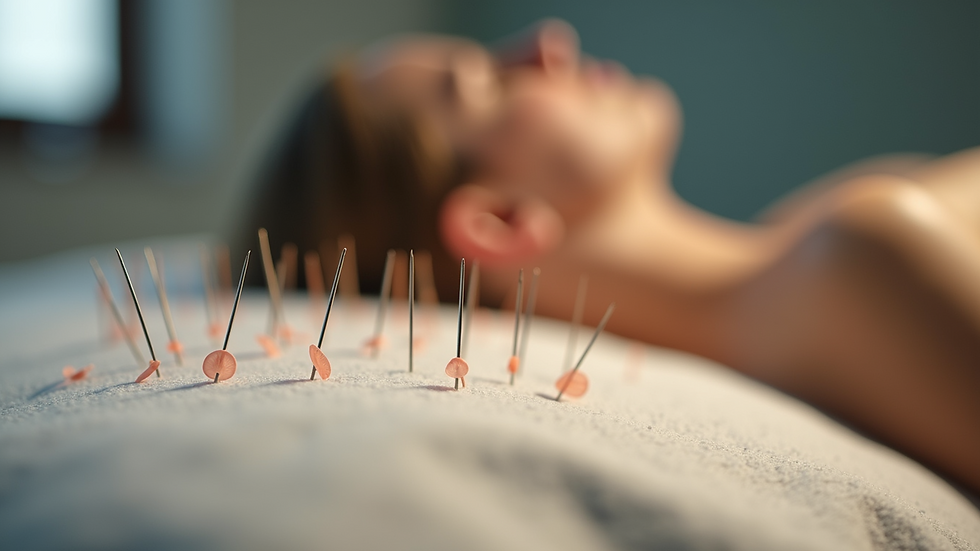
Understanding Acupuncture
Acupuncture is a traditional Chinese medicine practice that involves inserting thin needles into specific points on the body. These points correspond to pathways known as meridians, which are believed to be channels of energy flow. The goal of acupuncture is to restore balance and promote healing.
How Acupuncture Works
The underlying principle of acupuncture is based on the concept of Qi (pronounced "chee"), which refers to the vital energy that flows through the body. When Qi is blocked or unbalanced, it can lead to pain and illness. Acupuncture aims to unblock these pathways, allowing Qi to flow freely and restore health.
Research suggests that acupuncture may stimulate the release of endorphins, the body’s natural painkillers. It may also improve blood circulation and reduce inflammation, contributing to pain relief.
Conditions Treated with Acupuncture
Acupuncture has been found effective for various conditions, including:
Chronic pain: Conditions like back pain, neck pain, and migraines.
Joint pain: Arthritis and other inflammatory conditions.
Stress and anxiety: Helping to alleviate emotional pain and tension.
Digestive issues: Such as irritable bowel syndrome (IBS).
Other Pain Management Techniques
While acupuncture is a valuable tool, it is not the only option available. Here are some other effective pain management techniques:
Physical Therapy
Physical therapy involves exercises and treatments designed to improve mobility and strength. A physical therapist can create a personalized program to address specific pain issues, helping to restore function and reduce discomfort.
Massage Therapy
Massage therapy can help relieve muscle tension and improve circulation. Techniques such as deep tissue massage, Swedish massage, and trigger point therapy can be tailored to individual needs, providing relief from pain and promoting relaxation.
Mindfulness and Meditation
Mindfulness practices, including meditation and deep breathing exercises, can help manage pain by reducing stress and improving emotional well-being. These techniques encourage individuals to focus on the present moment, which can help shift attention away from pain.
Chiropractic Care
Chiropractic care focuses on diagnosing and treating musculoskeletal disorders, particularly those related to the spine. Chiropractors use manual adjustments to align the spine and improve function, which can alleviate pain and enhance overall health.
Medications
Over-the-counter and prescription medications can also play a role in pain management. Nonsteroidal anti-inflammatory drugs (NSAIDs) and acetaminophen are commonly used for mild to moderate pain. For more severe pain, healthcare providers may prescribe stronger medications.
Integrating Techniques for Optimal Pain Management
Combining different pain management techniques can often yield the best results. For example, a patient might benefit from acupuncture sessions alongside physical therapy to enhance mobility and reduce pain. Here are some tips for integrating techniques effectively:
Consult with a healthcare provider: Discuss your pain management goals and explore which techniques may work best for you.
Create a balanced plan: Incorporate various methods, such as acupuncture, physical therapy, and mindfulness practices, to address different aspects of pain.
Monitor progress: Keep track of your pain levels and any changes in symptoms to evaluate the effectiveness of your pain management plan.
The Role of Lifestyle in Pain Management
In addition to specific techniques, lifestyle choices can significantly impact pain management. Here are some lifestyle changes that may help:
Nutrition
A balanced diet rich in anti-inflammatory foods can support overall health and reduce pain. Consider incorporating:
Fruits and vegetables: Berries, leafy greens, and citrus fruits are excellent choices.
Healthy fats: Omega-3 fatty acids found in fish, nuts, and seeds can help reduce inflammation.
Whole grains: Foods like brown rice and quinoa provide essential nutrients.
Exercise
Regular physical activity can improve strength, flexibility, and overall well-being. Low-impact exercises, such as swimming, walking, or yoga, can be particularly beneficial for those with chronic pain.
Sleep Hygiene
Quality sleep is essential for pain management. Establishing a regular sleep schedule, creating a comfortable sleep environment, and practicing relaxation techniques can improve sleep quality and reduce pain sensitivity.
Seeking Professional Guidance
When exploring pain management techniques, it’s essential to seek guidance from healthcare professionals. They can help you navigate your options and create a personalized plan that addresses your unique needs.
Finding a Qualified Practitioner
If you’re considering acupuncture or other alternative therapies, look for qualified practitioners. Here are some tips for finding the right professional:
Check credentials: Ensure that the practitioner is licensed and certified in their field.
Read reviews: Look for testimonials from previous clients to gauge their experiences.
Ask questions: Don’t hesitate to inquire about their approach, techniques, and treatment plans.
Conclusion
Pain management is a multifaceted journey that requires a personalized approach. Acupuncture, along with other techniques like physical therapy, massage, and mindfulness practices, can provide effective relief. By integrating these methods and making positive lifestyle changes, individuals can take control of their pain and improve their quality of life. Remember to consult with healthcare professionals to create a tailored plan that works for you. Take the first step towards a pain-free life today!


Comments